Princeton University Steam to Hot Water Conversion
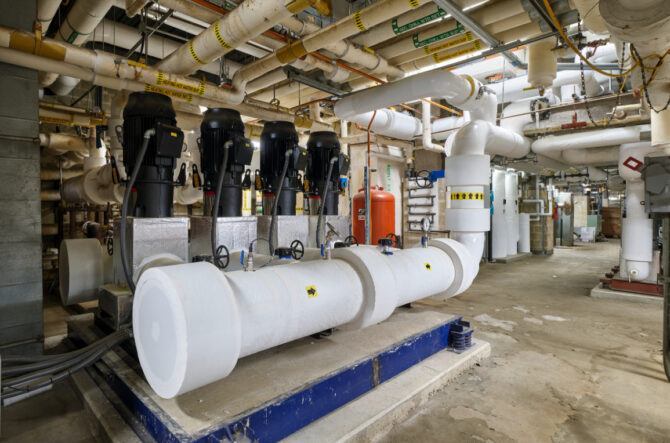
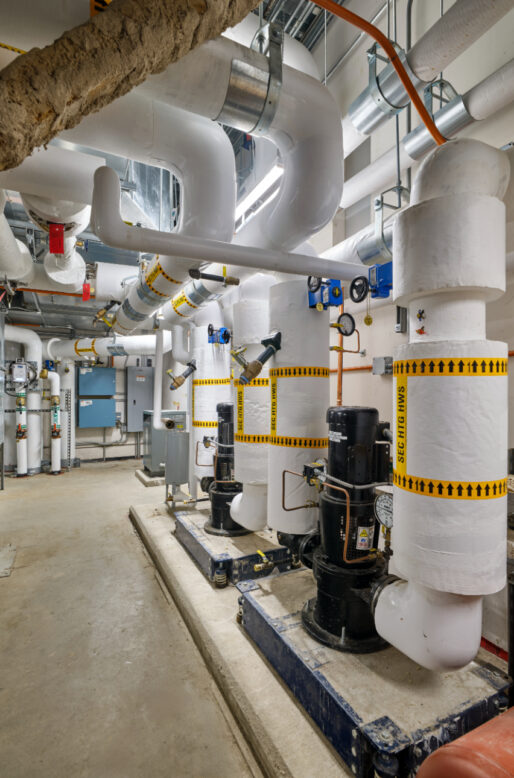
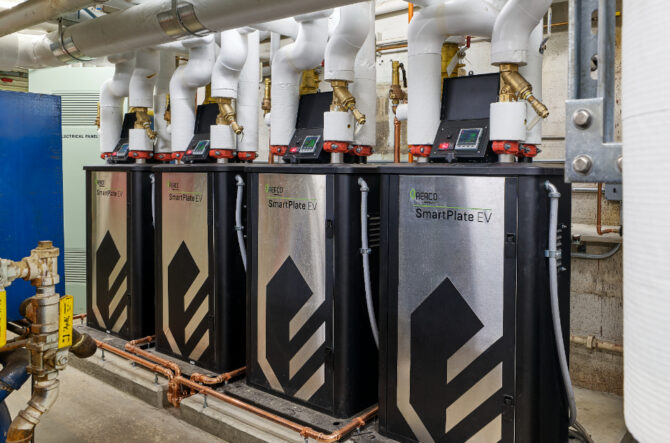
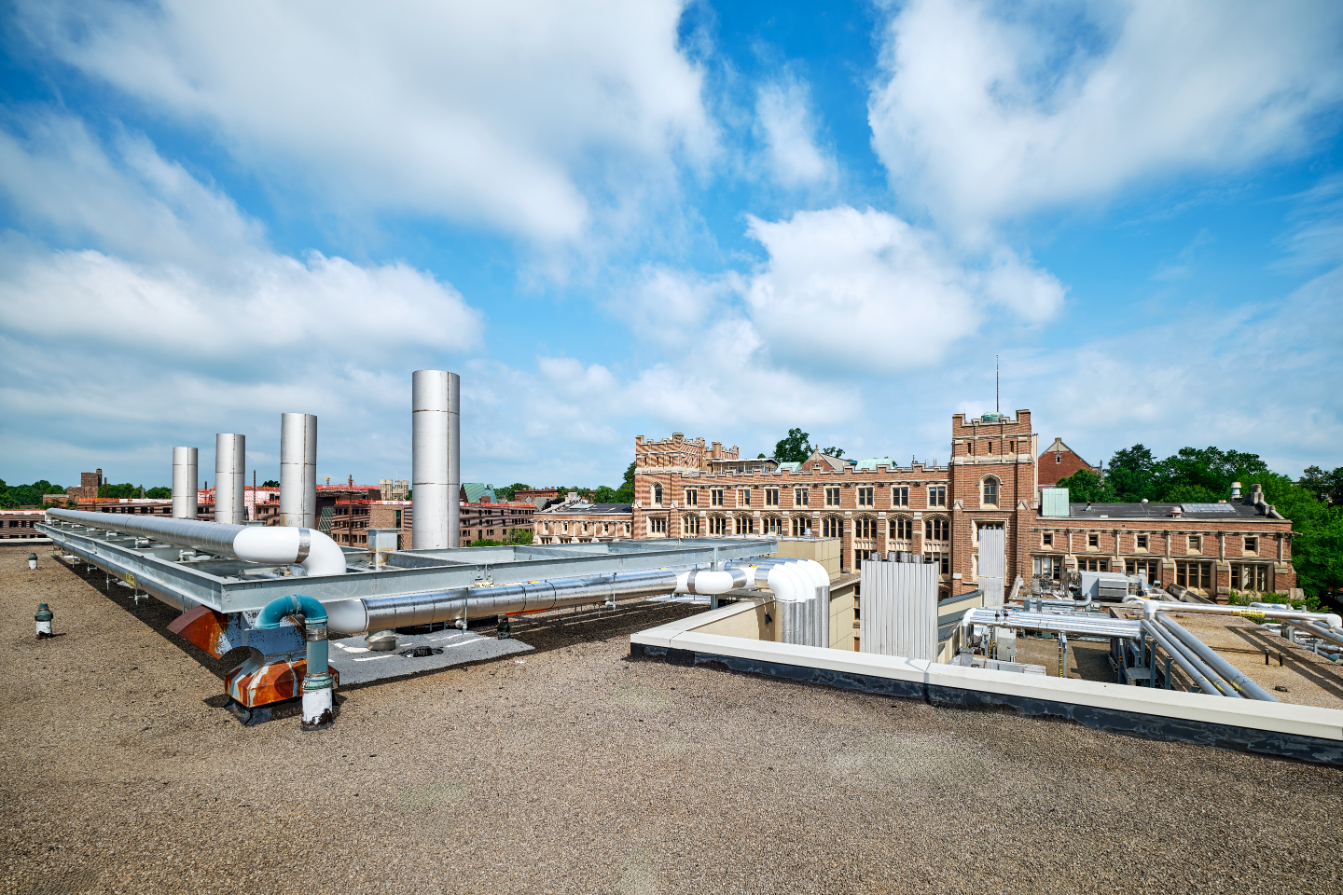
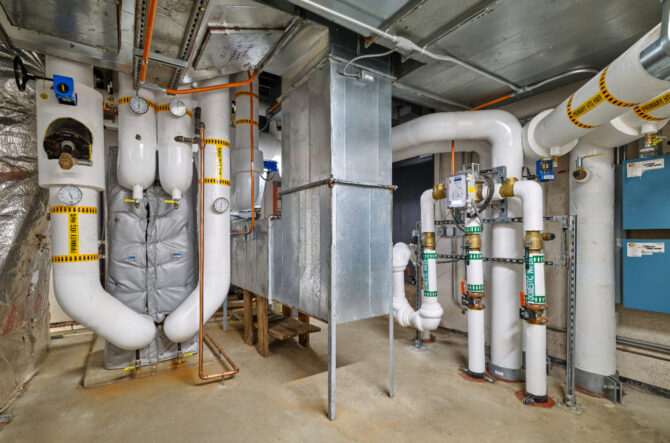
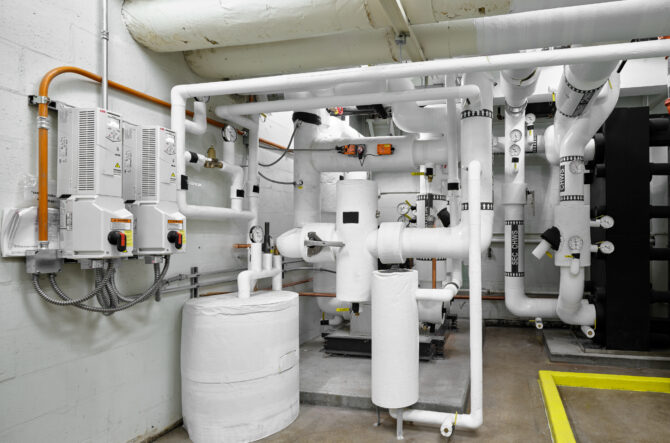
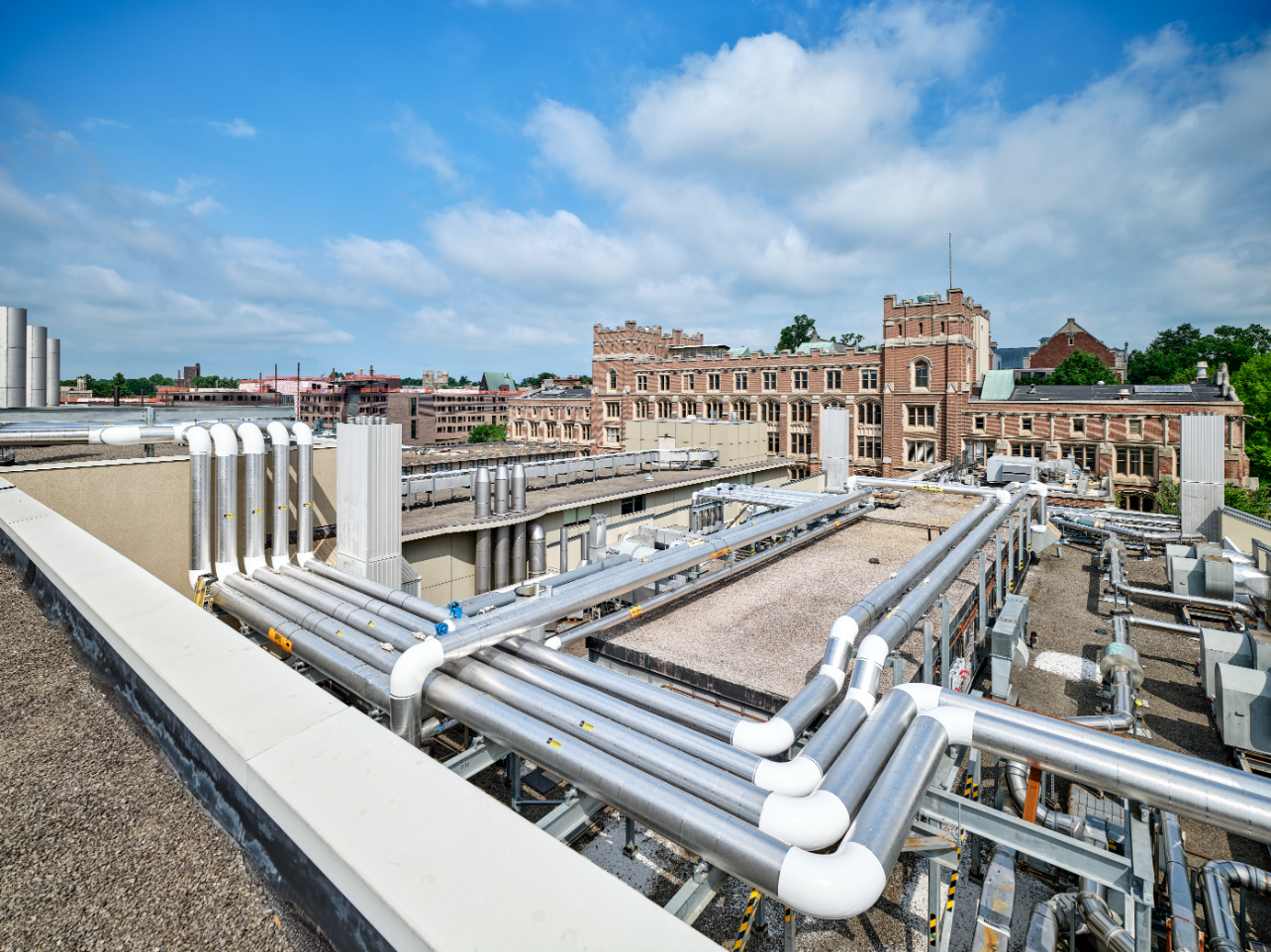
Princeton, New JerseyThe Group 3 Steam-to-Hot Water Conversion project encompasses the modernization of heating infrastructure across three campus buildings: Scully Hall (residential dormitory), and Schultz and Moffett Halls (laboratory facilities). These buildings were originally served by a central steam system supplied by the university’s cogeneration plant, constructed in the 1990s. Much of the associated steam infrastructure had reached its end of life, prompting the need for system upgrades.
This project was driven primarily by Princeton’s institutional commitment to sustainability under its Path to Net-Zero initiative, which targets carbon neutrality by 2046, coinciding with the university’s 300th anniversary. As part of this broader strategy, Princeton has developed new geo-exchange energy plants, including the TIGER and CUB facilities, which generate low-temperature hot water (LTHW) and chilled water for campus-wide distribution. The Group 3 buildings are now integrated into this system, receiving LTHW from the TIGER plant.
Delivered under a design-build model, the project required close collaboration between the construction team and MEP engineer (Precis). System designs were developed based on detailed building load data and adherence to Princeton’s Design Standards Manual.
A major planning challenge involved executing the work within occupied facilities. Scully Hall houses students year-round, limiting shutdown windows for domestic hot water systems. Schultz and Moffett Halls contain sensitive laboratory environments, including vivariums, where noise and vibration restrictions significantly constrained construction activities.
Construction was carefully phased around occupancy schedules and seasonal conditions. Critical system shutdowns were planned during shoulder seasons (spring and fall), when heating and cooling demands were minimal. In most cases, new systems were installed and commissioned prior to cutting over from the existing steam systems, minimizing service disruptions.
Engineer: Precis Engineers